
The Digital Transformation Roadmap for Growing Businesses
Digital transformation helps growing businesses unlock growth and lead their industries. This change enhances innovation, streamlines operations, and maximizes potential for expansion, keeping businesses competitive. A digital transformation roadmap should be tailored to your specific industry and business size, ensuring technology investments align with unique long-term goals. Use ‘Empower innovation to lead with technology’ to guide decisions and highlight technology’s role in your industry-specific growth. 1. Why Growing Businesses Must Embrace Digital Transformation Today’s business environment values speed, data, and customer experience. As companies expand, complexity rises. To succeed, businesses need efficient operations and a seamless customer journey. Importance of a Clear Roadmap A comprehensive digital transformation roadmap provides: Understanding: Allow your team to instantly grasp future-state processes, creating a shared vision for all stakeholders. Focusing each technology investment on key business outcomes can make your team feel empowered and capable of steering your organization toward growth and success. By navigating change confidently and avoiding wasteful technology purchases, your team can feel more secure and in control of your transformation journey. Performance Tracking: Establish and monitor clear, defined KPIs from the outset, enabling you to track ROI effectively and make data-driven decisions. The aviation industry shows the impact of digital transformation. The global digital aviation market, valued at $34.53 billion in 2021, is projected to reach $65.11 billion by 2029, with an 8.03% CAGR. For mid-market businesses, using AI for predictive maintenance or adding mobile solutions for customer interaction brings similar efficiency and satisfaction gains. Start with small, scalable technology investments for immediate and long-term benefits. 2. Understanding Digital Transformation Digital transformation means integrating technology across business areas, fundamentally changing how work is done and value is delivered. It goes beyond digitizing records by transforming models and processes. Subscription models have changed sectors that relied on one-time sales. Streaming services, for example, offer ongoing value through memberships, shifting revenue to subscriptions, and improving customer engagement. Benefits for Scaling Companies Digital transformation offers both immediate and long-term value for scaling companies: Benefit Immediate Value Long-Term Value Operational Efficiency Automation of routine tasks reduces human error. Optimized resource allocation and lower operational costs. Customer Experience Faster service, instant digital feedback loops. Hyper-personalized services, increased customer loyalty, and retention. Agility & Innovation Quick adoption of new market trends. Foundation for new business models and revenue streams. Data-Driven Decisions Real-time performance dashboards. Predictive analytics for strategic forecasting and risk management. 3. Digital Maturity Assessment Before planning your transformation, it is essential to understand your starting point. A thorough digital maturity assessment is the first step. To make this assessment more personal, consider conducting a quick self-diagnosis. Evaluate Current Systems and Identify Gaps This involves a holistic audit of your: Technology: Are your core systems (ERP, CRM, finance) legacy, cloud-based, or fragmented? Assess your organization’s readiness for change by evaluating workforce attitudes and leadership support. Understanding cultural factors helps address resistance and ensures your team is prepared for digital transformation success. Processes: Where are the manual bottlenecks, paper trails, and cross-departmental inefficiencies? Identifying these gaps helps you prioritize IT modernization and focus resources where they will have the greatest impact. 4. Building a Digital Transformation Strategy A digital transformation strategy connects your current state to future goals. Delaying this can cause you to fall behind competitors who leverage new technologies to gain market share and reshape customer expectations. Vision, Goals, KPIs Define a vision, such as ‘real-time, end-to-end supply chain visibility.’ Set specific, time-bound goals like ‘Reduce order fulfillment time by 40% in 18 months’ or ‘Increase Net Promoter Score by 15 points.’ Use these goals to measure performance. Aligning Digital Goals with Business Goals Every digital initiative should support business objectives like revenue, cost reduction, or market expansion. Alignment is key to transformation success. 5. Modernizing Business Processes Technology enables change, but true transformation comes from modernizing business processes. Automation Opportunities and Removing Bottlenecks Look for high-volume, repetitive tasks that can be automated. This includes: Financial Closings: Automated reconciliation and reporting. Customer Support: AI-powered chatbots for tier-one inquiries. Inventory Management: Real-time tracking and automated re-ordering. Legacy System Replacement Outdated systems are often the main bottleneck. Replace them with modern, scalable solutions that provide open APIs for seamless integration across the business. Also Read: Transitioning from Tech Expert to Digital Visionary: Five Leadership Tips for the C-Suite 6. Selecting the Right Technologies To tackle business challenges and achieve goals, it’s essential to adopt technology in alignment with clear objectives. Here are key digital transformation solutions based on the problems they address: Enhance Scalability and Flexibility: Cloud Computing provides the necessary scalability and flexibility for growing businesses, allowing for seamless expansion and resource management. Personalize Customer Engagement: Artificial Intelligence (AI) and Machine Learning (ML) enable predictive analytics and dynamic pricing strategies, leading to personalized customer experiences and effective engagement. Automate Repetitive Tasks: Robotic Process Automation (RPA) is ideal for automating highly structured, repetitive tasks, freeing up human resources for more strategic activities. Streamline Business Functions: Enterprise Resource Planning (ERP) and Customer Relationship Management (CRM) platforms offer integrated, modern solutions to manage core business functions and customer data efficiently. 7. Change Management Strategy Digital tools succeed only with workforce adoption, making change management essential. Address fears about loss of mastery or shifting roles to support adoption. Acknowledging these emotions not only builds trust but also encourages buy-in. Leaders should actively communicate how changes will be guided and supported, emphasizing continuous learning and the enhancement of skills. By fostering an empathetic environment, organizations can ensure smoother transitions and full utilization of new digital tools. Training Teams and Cultural Readiness A strong change management strategy focused on the workforce is essential for successful transformation: Leadership Involvement: Executives must actively sponsor and champion the change, communicating the ‘why’ to the entire organization. Comprehensive Training: Provide role-specific training and continuous upskilling to close any skills gaps. Cultural Shift: Promote experimentation, learning, and data-driven decision-making to encourage employees to adopt new digital tools. 8. Implementation Roadmap (Step-by-Step) The roadmap divides the strategy into actionable phases. Quick Wins First Prioritize projects with
How Businesses Are Tripling Revenue with Integrated SEO PPC Services in 2025

In the ever-evolving world of digital commerce, 2025 has marked a decisive turning point. Businesses are no longer relying on siloed strategies. Instead, they are combining SEO and PPC services to deliver exponential revenue growth, improved conversions, and unmatched ROI. The digital marketplace today rewards precision, integration, and agility. Companies that once focused exclusively on organic search engine optimization or pay-per-click promotion now realize that merging the two creates a powerful engine for long-term success. Let’s break down how integrated campaigns are not just increasing leads but helping businesses triple their marketing ROI and dominate their industries. The Digital Marketing Landscape in 2025 2025 is unlike any other period for marketers. The race for visibility in a crowded online space has intensified. As algorithms mature and consumer behaviors shift, online marketing now depends on unified, data-driven systems. From regional SEO to advanced marketing automation, brands are aligning their strategies under one roof. Businesses that invest in Online Marketing Services are seeing tangible results, often achieving more returns than traditional approaches. This growth isn’t accidental—it’s powered by smarter data interpretation, sharper targeting, and a relentless focus on acquiring customers. Outpacing Industry Averages with Data-Driven Strategies Data has become the new creative. Top agencies are leveraging analytics platforms to pinpoint where customers spend time, what keywords drive intent, and which messages convert. The fusion of SEO insights with PPC analytics allows marketers to uncover gaps in online visibility, refine campaign optimization, and eliminate wasted spend. The outcome? Increased efficiency and ROI that consistently beats industry averages. The Rise of Integrated Marketing Approaches Integrated marketing is not a buzzword anymore—it’s a revenue engine. Brands that use SEO PPC services together create seamless customer journeys across every touchpoint. SEO builds long-term authority, while PPC advertising delivers immediate visibility. When combined strategically, both channels amplify each other—creating compounding effects on organic traffic and acquiring leads. The Power of Combined SEO PPC Services An integrated approach ensures your message reaches customers at every stage of the funnel—from awareness to purchase decision. When done right, SEO and PPC services operate like a synchronized system, capturing both intent-driven organic users and ready-to-buy audiences through paid placements. SEO Consulting: Capturing High-Intent Search Traffic Modern SEO is about more than ranking for keywords. It’s about understanding user intent and crafting an experience that matches search behavior. Through advanced schema, on-page optimization, and authority-building, SEO consultants help brands attract qualified traffic and improve conversion rates. This long-term visibility becomes the backbone of your online marketing ecosystem, providing consistent leads and supporting customer acquisition goals. PPC Management: Maximizing Paid Search Conversions While SEO nurtures organic growth, utilizing PPC accelerates results. Effective PPC strategies in 2025 rely on real-time data feeds, predictive analytics, and AI-driven bidding to enhance marketing performance. Businesses can track every click, impression, and conversion—optimizing in-flight campaigns for maximum ROI. When integrated with SEO data, PPC allows for powerful A/B testing and insight sharing that improves overall campaign optimization. Social Media and Content Amplification The missing link in most strategies is amplification. Social media provides the distribution muscle to reinforce your SEO and PPC efforts. By combining Social Media with content campaigns, businesses amplify their visibility across multiple platforms. This multi-channel presence boosts search visibility and keeps your brand in front of high-intent users—whether they’re scrolling, searching, or shopping. Case Studies: 200% ROI Achieved Across Industries E-commerce Growth Through Precision Targeting An online retailer refined its ad spend around high-intent keywords and faster mobile pages. Since paid traffic delivers around 50% more conversions than organic, the shift quickly improved return. Within months, the business aligned with the average 200% ROI benchmark seen across paid campaigns. B2B Lead Generation and Sales Pipeline Acceleration A tech firm moved its outreach from cold traffic to targeted paid search. Visitors arriving through ads were 50% more likely to buy, driving consistent returns near the 200% mark. The tighter targeting helped shorten the sales cycle without increasing spend. The Science Behind Targeted Digital Campaigns True marketing success in 2025 is scientific. It relies on behavioral data, segmentation, and real-time response systems. Customer Behavior Analysis and Segmentation Understanding how your audience behaves online is crucial. Tools that analyze browsing patterns, click intent, and device usage now enable hyper-personalized targeting. When paired with Online Marketing Services, this approach allows for smarter messaging and stronger conversion rates. Seasonal and Event-Driven Opportunities in 2025 Timing is everything. Successful brands are leveraging holidays, industry events, and local moments to trigger action. Using Local SEO tactics and PPC, marketers can capture seasonal spikes and maximize ROI during high-traffic periods. Emerging Trends Shaping SEO and PPC in 2025 The future of SEO PPC services lies in automation, personalization, and adaptability. AI-Powered Bid Optimization and Keyword Research AI-driven campaign optimization is transforming how we bid, target, and plan. Machine learning tools are predicting search intent and allocating budgets dynamically. This evolution ensures every marketing dollar fuels measurable revenue growth. Voice and Visual Search Integration Voice search, visual discovery, and AI assistants are redefining search engine optimization. Optimizing for conversational keywords and image recognition is now a must for maintaining online visibility. Choosing the Right Digital Marketing Partner Not all agencies are created equal. The right Marketing Agency brings technical expertise, transparent reporting, and a partnership mindset. Measuring Performance: KPIs That Matter To ensure true accountability, focus on metrics tied to the rate of conversion, lead acquisition, and marketing ROI. Track traffic that’s organic. Agency Expertise and Collaborative Processes A top-tier marketing company will customize plans for you to align with your goals—whether that’s local visibility, eCommerce growth, or corporate revenue growth. Through collaboration and continuous improvement, your campaigns become smarter, more scalable, and sustainable. Ready to triple your marketing ROI? Schedule your free digital marketing audit today. FAQs How do integrated SEO PPC services improve marketing ROI? Integrated SEO and PPC services leverage both organic and paid strategies to increase search visibility, improve conversions, and maximize ROI. What’s the difference between SEO Consulting and PPC Management? SEO focuses on organic
Still Not Using Social Media for Marketing? Here’s Why You’re Missing Out
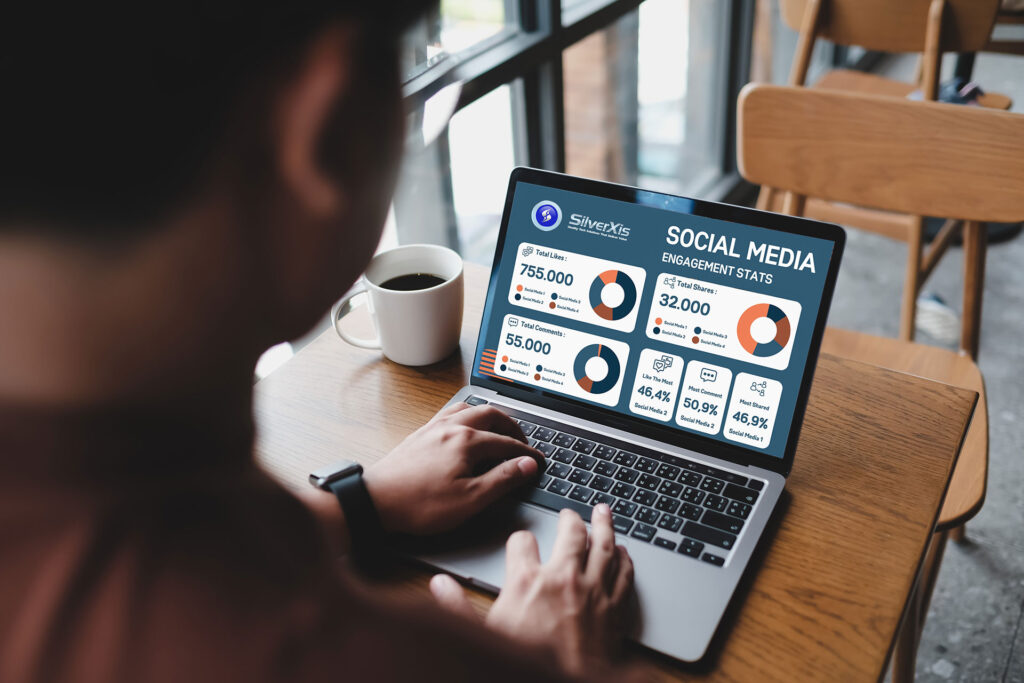
While you may still be contemplating whether social media for marketing deserves your time and attention, your competitors are already harnessing its power, constructing vibrant communities, nurturing customer loyalty, and increasing conversions right under your nose. Yes, managing social platforms can feel daunting when you’re already managing inventory, staffing, and customer satisfaction. But make no mistake, you’re not just forgoing likes and followers. You’re missing access to a direct, cost‑effective channel for growth in 2025. The Visibility Gap: Why Some Brands Remain Invisible Low engagement does not equate to low potential. Too many businesses mistake a silent social feed as a lost cause. In reality, you just haven’t found the right way to speak your audience’s language yet. View engagement as the beginning of a conversation, not a popularity contest. The first 100 engaged followers are often far more valuable than a passive audience of thousands. Consistency in posting outperforms sporadic viral hits every time. Consumers today don’t just search, they discover. According to Deloitte Digital, social-first brands, those that place social media centrally in their strategy, achieved a 10.2% average annual revenue increase owing directly to social initiatives. Plus, 32% of global consumers now research purchases on social platforms, actively discovering before they buy. This means your potential customers are browsing social media and finding your competitors instead of you. What You’re Truly Overlooking: Distinctive Opportunities for Growth From Scrollers to Shoppers Social media has the unique potential to turn casual scrollers into paying customers through repeated brand exposure. Familiarity breeds trust, and trust drives purchasing decisions. Most customers need several touchpoints before committing to a purchase. Social channels provide those touchpoints naturally and non‑intrusively. Storytelling through posts creates emotional resonance that drives sales. Let Your Brand Personality Do the Selling In a crowded market, your personality is your secret weapon. Social media for marketing allows you to show who you are, not just what you sell. Consumers buy from relatable brands, not just the cheapest ones. Personality-driven content is more shareable than purely promotional messaging, becoming your competitive edge. Build Community-Driven Awareness While you wait, competitors are cultivating communities around their brands, organic marketing engines that promote, protect, and amplify. These thriving communities make every reach exponentially more potent. Social Media Is Your Easiest Entry Point to Digital Marketing Successful social media requires understanding, not a big budget. User-generated content (UGC) is free yet one of the most authentic forms of social proof. Millennials and Gen Z rely heavily on it. Short-form videos need only a smartphone and creativity. Engaging with existing customers sparks ripple effects across networks. Organic visibility benefits most from consistent authenticity, not gaming the algorithm. The right strategy prioritizes listening over talking. Real-Time Feedback Loop: Adapt and Excel Social media gives you real-time insights traditional marketing never could: Test product ideas instantly. Gauge customer sentiment as it evolves. Adjust strategy on the fly based on direct feedback. This two‑way communication turbocharges engagement, especially vital for retail and hospitality businesses aiming to build rapport and loyalty. Strategic Cross-Platform Growth: Think Holistic, Not Siloed Treating each platform as an isolated channel dilutes your message and confuses your audience. Platforms should support each other, not compete. Consistent messaging across channels reinforces brand identity. Cross‑platform strategies extend your content’s lifecycle. Begin with 2–3 platforms where your audience is most active. Develop core content, then adapt it for different platforms rather than reinventing from scratch. Silent Feed, Silent Brand: It’s Time to Join the Conversation Staying silent on social media isn’t neutral; it’s damaging. While you hesitate, competitors build relationships, foster communities, and drive sales through strategic social presence. But here’s the good news: it’s not too late. Start with what you have. Make genuine connections. Let small, consistent actions compound. Your brand has a story your customers are waiting to hear.. 2025 in Numbers: The Case for Acting Now There are estimated 5.64 billion social media users worldwide in 2025. The Social commerce market is expected to increase to $924.47 billion by 2025, with even more explosive long-term growth. These numbers underline one truth: social media is not optional, it’s transformational. Related Concepts (Use Once Each) Social media for small business marketing offers affordable community-building and visibility. Tools for social media marketing streamline content creation, publishing, and analysis. Choosing the right social media platforms for marketing ensures you reach and engage target audiences effectively. Tips for social media marketing include posting consistently, using storytelling, leveraging UGC, and adapting content across platforms. Consider social media marketing companies for small businesses when you need expertise, scalability, or strategic execution. Benefits of Social Media Marketing Cost‑Effective Growth Social media offers brand visibility, engagement, and conversions at fractions of traditional ad costs. Direct Path to Customers Through narratives, communities, and interaction, your brand becomes a trusted presence in people’s lives. This is why the marketing through Social Media channels is not just significant, they are undeniable and promising. More than just being useful, its benefits roar in the realm of marketing and advertisements. Social media for marketing is no longer a ‘maybe’, it’s a strategic imperative. Your decision to start now can shape your future success. If you don’t start now, your competitors and your customers will continue moving forward without you. Ready to harness the full power of social media for sustainable, authentic growth? Let Silverxis be your strategic partner in crafting high-impact, personality-driven, and data-informed social media for marketing solutions. Contact Silverxis today, let’s transform your brand’s silence into a story the world wants to hear.
AI in Digital Marketing: Why AI Optimization is Your New SEO Secret Weapon

You’ve built a modern, stylish site and put in the work, but your traffic is still falling short. While your content out there is carefully crafted, sadly, your competitors still seem to be ranking above you, capturing the target audience you’ve been chasing. You know what this means? This isn’t a battle of who has the fancier website anymore. It’s about a fundamental shift in how search engines work. The old rules of SEO no longer apply. The future of digital marketing is here, and AI powers it. It’s time to stop guessing and start winning. AI isn’t just a buzzword; it’s your new secret weapon for SEO success. The truth is that search engine guidelines have transformed dramatically in recent years. What worked two years ago—such as keyword stuffing or basic link-building—can now hinder your visibility. The future of SEO is no longer about tricking algorithms. Instead, it’s about creating meaningful, human-centered content in ways that AI in digital marketing can understand, evaluate, and reward. By embracing AI optimization, you position your digital presence to align with how search engines now evaluate relevance, intent, and quality in 2025 and beyond. Why Traditional SEO Strategies Are Falling Short Once upon a time, SEO success could be achieved by placing the right keywords in the right places. But search engines are no longer simplistic keyword matchers. Google’s AI now looks deeper, examining intent, context, and the user experience. Here’s what has changed: AI interprets user intent: Instead of rewarding repetitive phrases, AI rewards content that answers real questions and solves real problems. Context outweighs keywords: Google evaluates how your content connects to broader topics and user journeys. Behavior drives rankings: If visitors leave quickly, AI interprets it as poor engagement and reduces visibility. Semantic relevance matters: AI identifies related concepts and rewards content that addresses them holistically. According to Semrush, nearly 60% of Google searches end without a click. This means people are getting answers directly from search results or aren’t finding what they need—making optimized, comprehensive content even more essential. In short, AI Optimization (AIO) is no longer optional. It’s the only way to stay visible in a world where both algorithms and users expect smarter, richer content. How AI Understands Your Content AI’s emergence in the context of digital marketing has transformed how search engines study, rank, and display information. Technology has enabled search engines such as Google’s RankBrain and BERT to both utilize machine learning in marketing and understand context, meaning, and human behavior. Imagine a user entering “best running shoes” into a search engine. The search engine knows that the user is probably searching for more than just keywords. The user will likely want to consume reviews, comparisons (with features), durability, and pricing. Your content must satisfy that intent to be competitive. To adapt, focus on these practices: Write naturally: Use conversational language that resonates with readers. Cover topics in depth: Surface-level content is ignored; comprehensive content wins. Anticipate questions: Include follow-ups your audience may ask. Integrate related terms: Let keywords flow naturally in context rather than forcing them. The future of SEO will favor brands that inform, educate, and empower users—not those that try to manipulate rankings. Essential Components of Modern AI Optimization 1. Content Designed for AI Processing To succeed with AI-powered strategies, your content must be structured in ways AI can process and interpret. This doesn’t mean writing for robots—it means writing for people, but with clarity and organization that helps machines “understand” your intent. Key approaches include: Clear headings and subheadings that define hierarchy. Integrating relevant entities like brands, people, and places. Building topic clusters with strategic internal linking. Developing comprehensive resources that serve as go-to guides. When your content resonates with both AI and humans, it creates a winning balance for visibility and trust. 2. Technical Excellence for SEO Success High-quality content is only one side of the coin. Your technical foundation ensures that AI can effectively crawl, categorize, and reward your site. Crucial technical elements include: Schema markup to provide context and purpose. Mobile-first optimization is necessary because over 58% of searches now happen on mobile devices. Fast-loading pages, since even a 1-second delay can reduce conversions by 7%. Strong internal linking to clarify your site’s topical authority. With the proper foundation, intelligent marketing automation can amplify your visibility by making your website more accessible and trustworthy to AI-driven search engines. User Experience: The Hidden Ranking Factor Modern SEO goes beyond visibility—it is rooted in experience. AI algorithms now evaluate how real users interact with your content and adjust rankings accordingly. Necessary satisfaction signals include: Low Bounce Rate: A low bounce rate signals to search engines that your content is highly relevant and immediately engages visitors. It directly indicates that your page successfully meets user intent, which is a major ranking factor in today’s AI-driven search environment. Time on page: Longer visitor stays are a powerful signal of content quality and user satisfaction. When readers spend more time on your page, it boosts your credibility and demonstrates to AI algorithms that your content is valuable and comprehensive. Click-through rates: A high click-through rate (CTR) tells search engines that your title and meta description are compelling and perfectly match the searcher’s query. This is a crucial signal of relevance that can lead to a higher ranking in search results, regardless of your current position. Returning visitors: Returning visitors are a key indicator of brand loyalty and topical authority. Their consistent return signals to search engines that your website provides ongoing, valuable information, which helps build trust and improve your site’s long-term ranking stability. According to Google, websites offering a strong user experience are 24% more likely to retain visitors and rank higher. SEO is no longer about being found; it’s about being remembered. Advanced Strategies for AI Optimization Leveraging AI for Content Creation Marketers are increasingly using AI-powered strategies not to replace human creativity, but to enhance it. Practical applications include: Using AI for keyword research and semantic topic discovery. Identifying
How Businesses Can Leverage SEO and Digital Marketing for Maximum Growth

Introduction Search Engine Optimization (SEO) and Digital Marketing are two powerful tools that, when combined effectively, can maximize brand visibility, drive traffic, and boost revenue. While SEO focuses on optimizing websites for organic search visibility, digital marketing encompasses a broader range of strategies, including paid advertising, social media marketing, and email marketing. Explore actionable strategies that businesses can implement to leverage both SEO and digital marketing effectively. We will also highlight case studies of businesses that have successfully integrated these approaches and provide insights into balancing organic vs. paid efforts. Understanding SEO and Digital Marketing What Is SEO? SEO is the process of optimizing a website to improve its rankings on search engines like Google. It involves multiple factors, including keyword optimization, content creation, technical SEO, and link building. What is Digital Marketing? Digital marketing refers to online marketing efforts aimed at reaching customers through various digital channels, such as social media, email marketing, pay-per-click (PPC) advertising, and content marketing. By integrating both SEO and digital marketing, businesses can establish a well-rounded online presence that maximizes visibility and conversion rates. How Businesses Can Effectively Use SEO and Digital Marketing Together 1. Keyword Research for Organic and Paid Campaigns Both SEO and PPC rely heavily on keyword research to target the right audience. SEO Strategy: Optimize website content with high-ranking keywords for organic search. PPC Strategy: Use Google Ads to bid on competitive keywords and drive immediate traffic. Businesses that align their SEO and PPC strategies with high-intent keywords often experience significantly higher conversion rates compared to those relying on a single approach. 2. Content Marketing for Authority and Engagement SEO Strategy: Publish long-form blog posts, case studies, and infographics to enhance organic rankings. Digital Marketing Strategy: Promote content through email campaigns, social media ads, and influencer marketing. Companies that prioritize high-quality content marketing often achieve significantly more leads compared to those that overlook its value. 3. Social Media and SEO Synergy While social media does not directly impact Google rankings, it plays a vital role in brand awareness and driving referral traffic. SEO Strategy: Optimize blog content for social sharing by using compelling headlines and engaging visuals. Share content on LinkedIn, Twitter, Facebook, and Instagram to increase visibility. Brands with an active social media presence often see a notable boost in organic traffic compared to those without. 4. Email Marketing and SEO: Driving Engagement SEO Strategy: Capture leads through optimized landing pages and blog subscriptions. Email Marketing Strategy: Use segmented email campaigns to distribute content, promotions, and exclusive offers. According to Campaign Monitor, businesses that incorporate personalized email marketing campaigns see a 760% increase in revenue (Campaign Monitor). 5. Local SEO and Paid Ads for Regional Targeting For businesses that rely on local customers, combining Local SEO and PPC Ads can maximize results. SEO Strategy: Optimize Google My Business (GMB) listings, collect customer reviews, and include location-based keywords. PPC Strategy: Run geo-targeted Google Ads and Facebook Ads to attract local customers. According to Google, 76% of local searches on mobile devices result in an offline purchase within 24 hours. (Google) Case Study: Optimizing Digital Marketing Budgets with SEO and PPC – Insights from ResearchGate “SEO vs PPC: A Model To Determine The Most Effective Digital Marketing Budget Division” by Melius Weideman provides valuable insights into the comparative effectiveness of these approaches. The research found that while PPC can yield immediate traffic, SEO becomes more cost-effective over time, with website traffic surpassing PPC results after approximately three months and expenditure crossing over after six months. This suggests that a balanced investment in both SEO and PPC can optimize digital marketing outcomes. Balancing Organic vs. Paid Efforts: What Works Best? Factor SEO Digital Marketing Cost Lower long-term cost Higher upfront cost (PPC, ads) Results Slower but sustainable growth Immediate traffic and engagement Scalability Requires long-term effort Can scale instantly with budget Trust Level High (organic results seen as credible) Lower (ads may be ignored) Best For Long-term authority & traffic Short-term sales & promotions For maximum growth, businesses should adopt a hybrid approach—leveraging SEO for long-term credibility and digital marketing for immediate traffic. SEO and Digital Marketing are not competing strategies—they complement each other. By integrating SEO’s long-term benefits with Digital Marketing’s fast results, businesses can create a powerful growth strategy that enhances visibility, engagement, and revenue. Key Takeaways: Combine SEO & PPC for a dual traffic stream. Leverage content marketing & social media for greater reach. Use email marketing to nurture and convert leads. Optimize for local search & geo-targeted ads to attract local customers. Contact us to explore how we can help you with effective SEO and Digital Marketing!
SEO vs. PPC: The Best Strategy for Your Business

Introduction Businesses must choose marketing strategies that maximize visibility, engagement, and, ultimately, return on investment (ROI). Two of the most effective online marketing strategies are Search Engine Optimization (SEO) and Pay-Per-Click (PPC) advertising. While both aim to drive traffic to a website, they function differently and yield distinct results. The question is, which strategy delivers better ROI? Understanding SEO What Is SEO? Search Engine Optimization (SEO) is the process of improving a website’s content, structure, and credibility to achieve higher organic rankings on search engines like Google. SEO is a long-term strategy that focuses on generating sustainable, unpaid traffic. Key Benefits of SEO: Cost-Effective: No direct payment for clicks; instead, businesses invest in content creation, website optimization, and link-building. Long-Term Growth: Organic rankings, once achieved, provide ongoing traffic without continuous spending. Trust & Credibility: Users trust organic results more than paid ads, leading to higher click-through rates (CTR). Higher ROI in the Long Run: Studies show that SEO can generate more than 5X the ROI compared to PPC over time (firstpagesage.com). Compounding Traffic: Unlike PPC, SEO efforts continue to drive traffic even without additional investment. Enhanced Brand Awareness: SEO ensures a strong presence in search results, increasing brand recognition over time. Better User Experience: SEO involves optimizing page speed, mobile-friendliness, and content relevance, leading to a more positive experience for users. Challenges of SEO: Time-Consuming: SEO results take 3-6 months or longer to show significant improvements. Algorithm Changes: Google’s frequent updates require constant adjustments. Competitive Landscape: High-competition keywords require extensive effort to rank. Technical Complexity: Requires expertise in website optimization, keyword strategy, and content marketing. Constant Content Updates: Regular content creation and optimization are necessary to maintain rankings and relevance. Understanding PPC Pay-Per-Click (PPC) advertising allows businesses to place paid ads on search engines and social media platforms. Advertisers bid on keywords, and their ads appear at the top of search results or within social media feeds. They pay a fee each time a user clicks their ad. Key Benefits of PPC: Immediate Results: Ads start driving traffic as soon as they go live. Highly Targeted: Allows businesses to target specific demographics, locations, and user behaviors. Scalable: Easily increase or decrease ad spend based on performance. Better for Short-Term Goals: PPC works well for promotions, product launches, or time-sensitive campaigns. Data-Driven: Provides detailed analytics, allowing businesses to optimize in real-time. Customizable Strategies: PPC allows A/B testing, retargeting, and advanced audience segmentation for higher efficiency. Competitive Advantage: Businesses can outrank competitors in search results instantly, giving them an upper hand in the market. Challenges of PPC: High Costs: Competitive industries have high CPC (cost-per-click) rates, making PPC expensive. Short-Lived Results: Once ad spending stops, traffic disappears. Ad Fatigue: Users may ignore or distrust ads over time. Requires Continuous Budgeting: Unlike SEO, PPC demands ongoing financial commitment. Click Fraud Risks: Some businesses may experience fraudulent clicks from competitors or bots, increasing costs without real engagement. ROI Comparison: SEO vs. PPC 1. Cost Analysis SEO: Requires investment in content, backlinks, and website optimization but does not require payment per visitor. PPC: Direct costs for every click, and costs can escalate in competitive markets. Google Ads’ average CPC is $2.69, while some industries exceed $50 per click (WordStream). 2. Traffic Sustainability SEO: Organic traffic compounds over time, providing long-term benefits. PPC: Traffic stops as soon as ad spend stops, making it less sustainable. 3. Click-Through Rates (CTR) SEO: Organic search results have an average CTR of 28.5% for the first position (Backlinko). PPC: Paid ads average a CTR of only 3-5% (wordstream.com). 4. Conversion Rates SEO: Organic traffic converts at an average rate of 2.35%. PPC: Paid ads typically convert twice as much at around 4%–6% (HubSpot). 5. Long-Term Value SEO: Builds brand authority, trust, and compounds ROI over time. PPC: Requires ongoing ad spend, providing instant but short-lived results. Case Studies Case Study: Airbnb’s Use of SEO & PPC Airbnb effectively leverages both PPC and SEO for maximum reach. Their PPC ads target immediate travelers, while their SEO strategy ensures long-term organic traffic for property listings. This dual approach maximizes visibility and ensures continued growth. Case Study: Shopify’s SEO-Powered Growth Shopify invested in a strong SEO strategy that included high-quality content, link-building, and technical optimization. This resulted in over 500% organic traffic growth and reduced reliance on PPC. Which Strategy Should You Choose? Factor SEO PPC Cost Lower long-term cost Higher cost per click Results Slower but sustainable growth Immediate but short-lived results Scalability Requires long-term effort Can scale instantly with budget Trust Level High (organic results seen as credible) Lower (ads may be ignored) Best For Long-term authority & traffic Short-term campaigns & fast traffic For most businesses, a hybrid approach of SEO and PPC delivers optimal results. SEO builds long-term brand authority, while PPC fills immediate traffic gaps. By integrating both, businesses can drive sustainable growth, maximize ROI, and maintain a strong online presence.
From SEM to SEO: Crafting a Balanced Digital Marketing Strategy
To stand out in the digital realm, businesses must constantly evolve their marketing strategies, blending innovation with precision to stay ahead of the curve. Two key pillars of online marketing that have proven their value over the years are Search Engine Optimization (SEO) and Search Engine Marketing (SEM). Each of them has its own unique purpose; however, when merged into a balanced approach, the entire strategy can really transform your digital footprint. Finding the right mix of SEO and SEM is perhaps the primary concern for businesses wanting to have a better online presence. By utilizing SEO consulting services from a trusted partner, businesses can maximize the benefits of organic and paid search to drive traffic, generate leads, and boost conversions. SilverXis, a digital marketing leader, specializes in crafting strategies seamlessly integrating SEO and SEM. Their approach is designed to help businesses strike a balance that aligns with their goals, budgets, and growth objectives. The Role of SEO and SEM in Digital Marketing SEO and SEM are, without doubt, the two most important pillars of your digital marketing strategy. But understanding the differences between the two and how they can coerce each other into a better return on your marketing spend will be very helpful. (SMART INSIGHTS) SEO is optimizing your website and content to rank higher on search engines like Google, Yahoo, or Bing. The goal of SEO is to drive organic traffic, which can lead to increased brand visibility, better user engagement, and, ultimately, more conversions. SEO encompasses strategies from on-page optimization to content creation and backlink building. SEM involves using paid advertising, such as Google Ads, to gain immediate visibility on search engine results pages (SERPs). (DIGITAL MARKETING INSTITUTE) SEM campaigns target specific keywords related to your business, and you pay for each click on your ad (Pay-Per-Click or PPC). SEM is ideal for businesses that want to see immediate traffic and gain visibility in a highly competitive environment. For many businesses, especially those in competitive industries, combining SEO with SEM creates a comprehensive strategy that maximizes both long-term results and short-term gains. (535 MEDIA) Why Your Business Needs Both SEO and SEM Maximized Visibility While SEO provides long-term, sustainable traffic, SEM gives you the advantage of immediate exposure. Both let your business dominate search results, increasing organic and paid visibility. Targeted Traffic: SEO SEM integration ensures you can target your audience at multiple stages of their buying journey. For example, SEO helps you attract potential customers researching your product or service, while SEM targets those ready to purchase. Improved ROI Businesses can optimize their marketing budget by using SEO to improve organic rankings and SEM to drive paid traffic. SEO delivers long-term, cost-free traffic, while SEM ensures immediate, measurable returns. How SEO Consulting Services Can Help Integrate SEO and SEM To achieve the best results from both strategies, businesses must work with a trusted SEO consulting service. Expert consultants can help you: Optimize Your Website for SEO SEO consulting services ensure your website is fully optimized for search engines. A strong SEO foundation is crucial for achieving organic visibility, from meta tags and keyword optimization to technical SEO and mobile responsiveness. Maximize Paid Search Campaigns SEO consultants can help refine your SEM campaigns, ensuring that your ads target the right keywords and audiences. They can also help with budgeting, bid management, and conversion tracking to improve the ROI of your paid efforts. Continuous Monitoring and Adjustment A key advantage of working with an SEO consulting service is the ability to track both your organic and paid results. Through analytics, they can monitor performance, identify areas for improvement, and adjust your strategy to ensure ongoing success. Choosing the Right SEO Packages and SEM Strategy When planning your digital marketing strategy, selecting the right SEO packages that fit your business needs is essential. Various types of SEO packages cater to different business objectives: 1. Basic SEO Packages include fundamental SEO tactics like keyword optimization, basic on-page SEO, and content development. This is perfect for smaller businesses or those just starting with SEO. 2. Advanced SEO Packages: For businesses with more extensive needs, advanced packages include technical SEO, in-depth competitor analysis, backlink strategies, and content marketing integration. When combining SEO and SEM, businesses should align their paid campaigns with their organic strategy. For example, you can target high-volume keywords through both SEO and SEM to dominate the search results. Integrating Content Marketing Services to Enhance SEO and SEM Content is king, and this rings true for both SEO and SEM. Whether it’s optimizing your website content for search engines or creating engaging landing page copy for PPC ads, quality content plays a pivotal role in achieving successful results. Content marketing services can help businesses develop content that enhances both their SEO and SEM efforts. For SEO, high-quality content that answers user queries and is optimized for relevant keywords can boost organic rankings. For SEM, compelling ad copy, well-designed landing pages, and clear calls-to-action (CTAs) can improve the performance of paid campaigns. Combining SEO and SEM for Success Let’s take a real-world example of a B2B SEO agency that worked with SilverXis to craft a balanced SEO and SEM strategy. This agency had a strong website, but they struggled with visibility for highly competitive keywords in their industry. By integrating affordable SEO with an aggressive SEM campaign, SilverXis helped them achieve: A 30% increase in organic traffic within 6 months. (THE SEO WORKS) A 25% reduction in cost-per-click (CPC) for their PPC campaigns. A significant increase in leads and conversions, thanks to optimized content and targeted paid ads. This example highlights how businesses can benefit from combining SEO with SEM, creating a strategy that works across the board for both immediate and long-term success. In conclusion, balancing SEO and SEM is the key to a successful digital marketing strategy. By combining the long-term benefits of SEO with the immediate results from SEM, businesses can maximize their online visibility, attract more qualified traffic, and drive higher conversions. Partnering with an