







Turning a Rental Hardware Business Into an Enforceable Subscription Platform
SilverXis connected a water purification device to a cloud entitlement system so payment and service finally matched, without a technician in the loop.

Turning a Rental Hardware Business Into an Enforceable Subscription Platform
SilverXis connected a water purification device to a cloud entitlement system so payment and service finally matched, without a technician in the loop.
Client Overview
Lexcru operates water purification units on a rental and subscription basis, working through a network of dealers, sub-dealers, and field technicians who handle installation and ongoing service. In this business, the hardware sits in a customer’s home before any revenue is collected, so the whole model depends on one thing working reliably: the connection between payment and service.
SilverXis was brought in to build that connection, end to end. That meant the hardware, the firmware, the cloud service behind it, and the field-facing apps that operate the network around it.
The Challenge
Before this engagement, every part of Lexcru’s payment-to-service loop depended on someone physically visiting the unit.
Once a device was installed, a customer who stopped paying kept getting service anyway. There was no way to suspend a unit remotely, so the recurring revenue model ran on goodwill rather than enforcement. Every suspension and every restoration meant dispatching a technician, and that visit routinely cost more than the subscription it was meant to protect. Enforcement, when it happened at all, ate into margin instead of protecting it.
Paying customers had it worse in some ways. Someone who settled their account still waited days for a technician to come restore service. That meant the slowest, most frustrating experience in the system landed on the customers who had already done the right thing.
There was also a security dimension. Any mechanism capable of disabling a product becomes a target, and a controller that could be spoofed, bypassed, or replayed would undermine the entire commercial model. At the same time, payment confirmation is never instant. A hard cutoff at the moment of expiry would punish customers whose payment was simply still processing.
On top of the hardware and payment problem, coordination across the field network was informal. Technicians, dealers, and sub-dealers tracked assignments and service history by phone, with no shared record of what had been completed. Management had no visibility into field activity, and dealers couldn’t answer a customer’s status question without calling around.
The SilverXis Approach
SilverXis worked across the full stack of a connected product, from the circuit board up through firmware, cloud services, and field workflow, because each layer’s design depended on the ones around it.
The team started with the hardware itself, designing a custom PCB around an MCU that supports both BLE and Wi-Fi, with relay and solenoid power control for the purification unit and status LEDs a technician can read without tools. On top of that, each controller was provisioned with a unique device identity, using cryptographically signed subscription policies so a unit only accepts an entitlement instruction it can verify came from the platform.
Suspension and restoration were built around a configurable grace period, so a genuine payment-processing delay doesn’t cost a paying customer their water. For field provisioning, SilverXis built an app-based BLE workflow that lets a technician commission a new unit in minutes, with no specialist training or network connection required at the point of install.
Behind the device sits a cloud policy and telemetry service that holds subscription state, issues signed policies, and receives regular check-ins from every unit in the field. When a payment clears, the service reissues the device’s policy directly, restoring access within moments, with no technician involved at all. An over-the-air update pipeline was built alongside this so the deployed fleet can be patched and improved without a truck roll to a single unit.
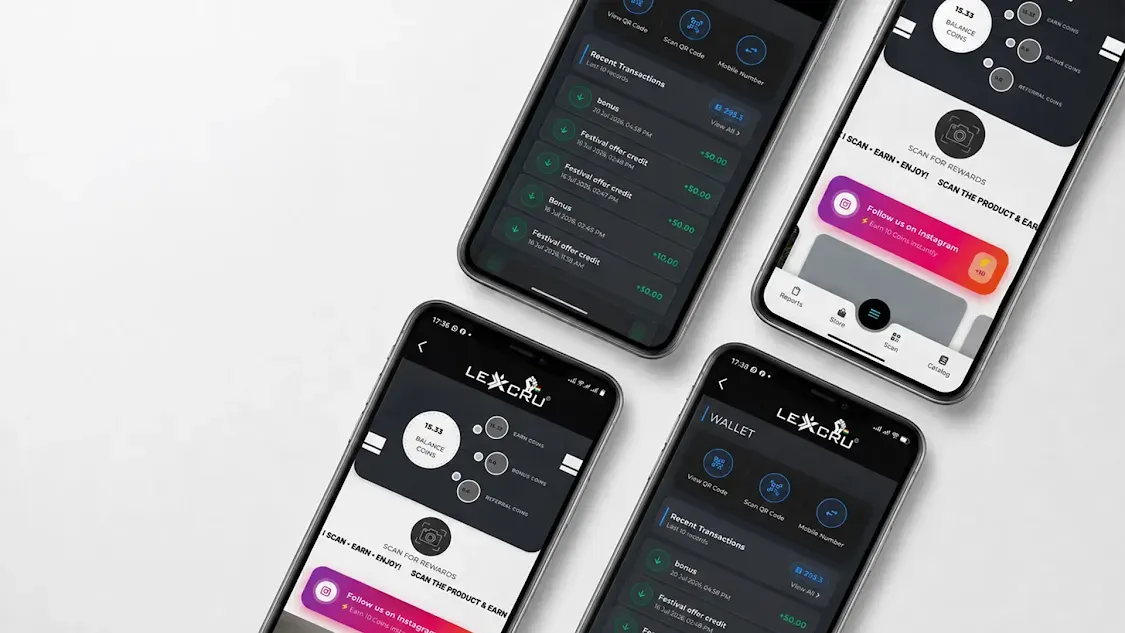
To bring the field network onto one system, SilverXis delivered a single Flutter application shared by technicians, dealers, and sub-dealers, with role-based access so each user sees only what their role needs. That avoided the cost and rollout complexity of three separate apps. A ReactJS admin portal, running on Laravel backend APIs, gives management a live view of device state, technician workload, service history, and dealer territory performance.
What Was Built
The delivered system covers four coordinated layers:
- Custom IoT controller hardware: a purpose-built PCB with BLE and Wi-Fi connectivity, relay/solenoid power control, and status LEDs for field diagnostics.
- Secure firmware and policy enforcement: per-device identity, signed subscription policies, automatic expiry shut-off, and configurable grace-period handling.
- BLE provisioning and technician workflow: app-driven Bluetooth commissioning for fast, tool-free field setup.
- Cloud policy, telemetry, and OTA service: the backend entitlement system issuing signed policies, ingesting telemetry, and pushing firmware updates fleet-wide.
That backend is paired with the multi-role Flutter mobile app for the field network and the ReactJS/Laravel admin portal for management oversight. It’s one integrated system rather than separately sourced pieces stitched together.
Technology and Expertise
The engagement drew on PCB design and firmware engineers working alongside BLE/Bluetooth developers, cloud IoT platform developers, and a full-stack IoT engineering team spanning hardware, embedded firmware, mobile, and backend. Security was built in at the firmware layer rather than added afterward. Device identity, signed policy enforcement, and tamper resistance were part of the original design, not a later patch.
On the software side, the mobile layer was built in Flutter to serve technicians, dealers, and sub-dealers from one codebase, while the admin portal runs ReactJS over Laravel APIs. The OTA update pipeline and cloud telemetry service reflect the kind of hardware-software integration engineering a connected-device business needs once hardware is live in thousands of homes it can’t easily visit.
Results
Connecting entitlement to the device itself turned Lexcru’s rental model from something that depended on customer goodwill into one with a technical basis for recurring revenue. Subscription status is now enforced at the unit, not tracked and chased after the fact.
That same design removed field cost from the routine parts of the loop. Suspension and restoration no longer require sending someone to the customer’s home, which is the cost that had made enforcement uneconomic in the first place. For customers who do pay late, the grace-period handling means a processing delay doesn’t cost them water, and reactivation now happens within moments of payment clearing instead of days later with a technician on the way.
The signed-policy approach also closes off the security gap that had been sitting underneath the whole model. A device’s entitlement instructions can’t be spoofed or replayed, so the enforcement mechanism holds up against a motivated user, not just an ideal one.
Looking Ahead
SilverXis continues to work with Lexcru as the platform moves from initial rollout into ongoing operation. That includes maintaining the firmware and OTA pipeline, extending the cloud policy and telemetry service as the device fleet grows, and evolving the technician, dealer, and admin apps alongside the field network. The engagement remains a working example of how a rental hardware business becomes an enforceable subscription business once entitlement lives on the device itself, rather than in the hands of whoever happens to visit next.
“Board, firmware, BLE provisioning, signed policies, OTA and the apps. One team delivered all of it and it holds together. Finding a partner who can do the hardware and the cloud side properly is the hard part.”
Technical Manager
,
Lexcru
Ready to Build the Platform Behind Your Connected Product?
SilverXis brings PCB design and firmware engineers, BLE developers, and full-stack IoT engineers together on one team, building the hardware, secure firmware, cloud IoT platform, and mobile apps a connected product needs to run at scale.
If your business depends on hardware you can’t always physically reach, SilverXis can help you build the system that connects it. Contact us at silverxis.com to start your engagement.