
GBP SEO Tips to Get More Local Calls and Customers
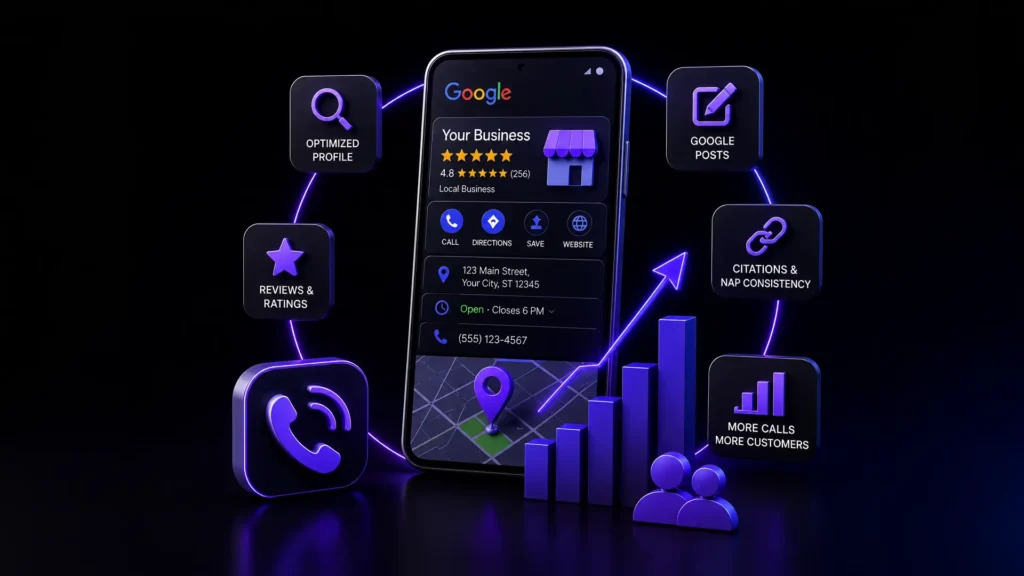
This paper turns that behavior into a clear GBP SEO plan any business can follow. The stakes are real: the average business profile gets about 1,009 searches per month, 16% of businesses see 100+ calls monthly directly from Google, and 87% of consumers read reviews before choosing a local business (BrightLocal).
How to Decide Between Website Templates vs Custom Design
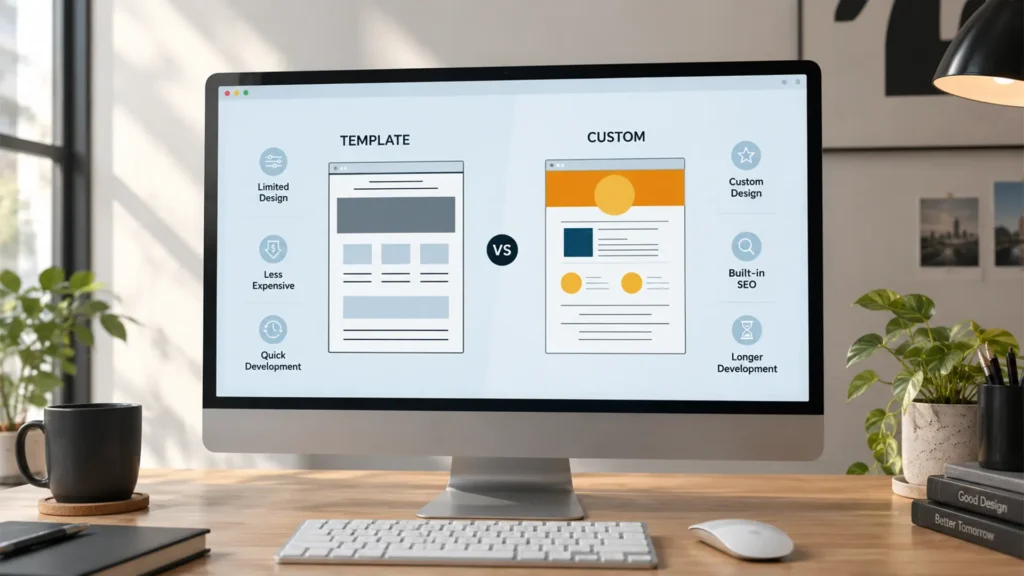
What a Software Expert Brings to Fix Product Failures A lot of business owners assume website templates vs custom design is mostly a question of money. It isn’t, really. A template gets you live fast. Custom design gives you a real say in how the site looks, behaves, and holds up as your business changes. For most businesses, custom design ends up being the smarter long-term choice, since it’s built around exactly what you need rather than asking you to adjust to someone else’s structure. Templates still have their place for something fast and basic, but once you need specific features, integrations, or room to grow, a template starts working against you. Don’t just look at the price tag. Think about whether the site still fits your business a year or two from now. That’s the custom vs template website decision in a nutshell, and Silverxis can help with either path, though custom website design is our main focus. What Is a Website Template and When Does It Make Sense? Before deciding whether a template is right for you, let’s understand how these pre-built designs work and where they fit best. What Is a Website Template and How Does It Work? So, what is a website template, exactly? It’s a pre-built skeleton for your site. Layouts, navigation menus, fonts, buttons, and image placeholders already worked out. You drop in your own content and tweak whatever the template allows. Templates shine when you need something live quickly, and your needs are standard, with less design work and lower upfront cost. Pick a design that fits, swap the placeholder content for your own, and adjust colors and sections. The catch is the template’s structure boxes you in. New functionality the template wasn’t built for usually means extra development work, sometimes more than a custom build would have cost. Pros of Using Pre-Made Website Templates The pros of using pre-made website templates are: Faster setup Lower design costs Ready-made page structures Layouts suited to common business needs. If speed matters more to you than customization right now, using a website template makes more sense. Should I Use a Template to Build a Website? If you’re asking, “should I use a template to build a website?”, start with what the site needs to do. Basic pages and a fast launch is what a template should cover. It gets trickier once you need additional functionalities or a customer experience that stands apart. For most growing businesses, that point where your website needs to stand apart arrives sooner than expected. It comes down to one question: will the template bend to fit your business, or will your business bend to fit the template? Custom Website Design vs Template: Key Differences That Matter The custom website design vs template comparison gets clearer once you stop thinking about looks and start thinking about function. A template hands you a structure that already exists; custom design starts from your requirements and builds outward. That is why it serves most businesses better once they move past the basics. Design Flexibility, Branding, and User Experience With a template, you can swap colors, images, and text, but the layout’s bones stay the same. Custom design lets you shape navigation and interactive elements around how customers actually use the site, and carry your visual identity through in a way templates rarely match. SEO, Performance, and Scalability Compared Templates can offer decent SEO and performance out of the box, but you’re limited in how deep you can go under the hood. Custom design lets developers build the page structure, technical SEO, and codebase around exactly what you need. A clear reason it wins out for businesses planning to scale. Long-Term Maintenance and Growth Considerations Templates are easy to launch at first. But new requirements eventually bump up against what they can’t do. Custom design takes more planning upfront but leaves room to grow as you add sales features or integrations later. Custom Website Design vs Theme: What’s the Real Difference? A theme is a packaged design. Layouts, styles, and features already decided for you. Custom website design vs theme flips that around: custom starts with what your business actually needs, not what’s already been built. When a Theme Is Enough for Your Business Themes work well for simple sites that need to launch fast, portfolios, small businesses, blogs, new companies with standard needs and just a few pages. When a Fully Custom Website Design Is the Better Choice Custom design wins out once you need unusual layouts, specific functionality, or a customer journey that doesn’t follow the usual script, the point where custom becomes the sensible investment for most businesses beyond the earliest stage. Common Misconceptions About Custom Website Design Custom doesn’t mean complicated or reserved for big companies when it comes to choice between website templates vs custom design. What you spend depends on what you’re building, and plenty of growing businesses find it the more practical route since it’s built to fit rather than adapted around. Custom vs Template Websites: Pros and Cons for Growing Businesses Weighing custom vs template websites pros and cons means looking past sticker prices. As mentioned before, a template gets you launched quickly, while custom design gives you far more room to adapt as needs shift. Aspect Template Website Custom Website Launch Faster Takes longer Design Limited by theme Built around your needs Integrations Depends on available options Built for specific systems Growth Can become restrictive Easier to adapt Cost, Timeline, and Return on Investment If budget and speed are top concerns, when choosing between website templates vs custom design, templates make sense. Custom design costs more upfront but pays off over time, since the cheaper option now isn’t always cheaper long-term once you factor in patching or replacing an outgrown template. Security, Integrations, and Future Expansion Templates handle straightforward sites well, but complex integrations or workflows usually need more structural control than a template offers, you can control integrations custom design gives you from day